Introduction
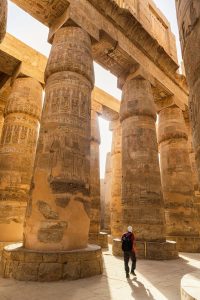
Few places on Earth can rival Luxor — the ancient city once known as Thebes, the beating heart of ancient Egypt. Standing gracefully along the Nile’s east and west banks, Luxor is not just a city; it is an open-air museum where history, art, and divinity converge. Every street, temple, and stone whispers stories of gods, kings, and an eternal civilization that shaped the world.
1. The City of the Living and the Dead
Luxor is uniquely divided by the River Nile — a natural border separating life and eternity.
- The East Bank, known as the city of the living, was the center of daily life and worship. It hosts the majestic Karnak Temple and Luxor Temple, where the ancient Egyptians celebrated the divine power of Amun-Ra.
- The West Bank, known as the city of the dead, was the realm of the afterlife. Here lie the Valley of the Kings, Valley of the Queens, and the mortuary temples of Egypt’s greatest rulers, including Hatshepsut and Ramses II.
This sacred balance between the two banks reflects the Egyptian philosophy of life, death, and rebirth.
2. The Great Temples of Karnak and Luxor
The Karnak Temple Complex is one of the largest religious structures ever built — a city of temples dedicated to Amun, Mut, and Khonsu. Massive columns, towering obelisks, and grand avenues of sphinxes tell stories of divine devotion and royal power.
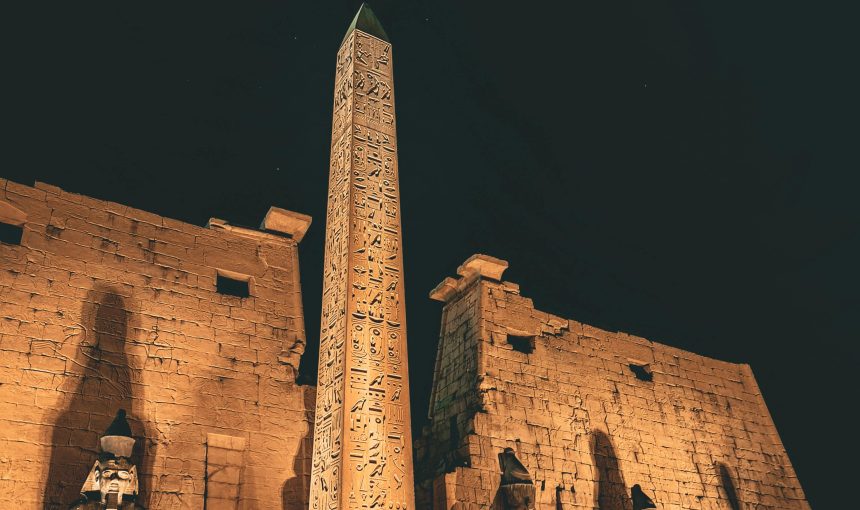
A few kilometers south lies Luxor Temple, connected to Karnak by the famous Avenue of Sphinxes. This temple glows at sunset, symbolizing renewal and the eternal strength of Egypt’s gods and kings.
3. The Valley of the Kings: Secrets Beneath the Sands
Hidden in the cliffs of the West Bank, the Valley of the Kings is where Egypt’s greatest Pharaohs prepared for eternity. More than 60 royal tombs have been discovered, decorated with sacred texts and vivid paintings that describe the Pharaoh’s journey to the afterlife. Among them stands the world-famous Tomb of Tutankhamun, discovered in 1922 — one of the most extraordinary finds in archaeology.
4. The Spirit of Thebes Reborn
Beyond its temples and tombs, Luxor is alive with culture, music, and the warmth of its people. Traditional felucca boats glide over the Nile at sunset, while the echoes of history fill the air. Modern Luxor blends ancient grandeur with hospitality, offering visitors a journey that is both spiritual and breathtaking.
5. Luxor Today: Where the Past Meets the Present
Today, Luxor continues to be Egypt’s cultural crown jewel. With ongoing restoration projects and digital documentation efforts, the city stands as a living bridge between history and innovation. Tourists from every corner of the world come to witness its splendor — walking the same paths once tread by Pharaohs and priests.
Conclusion
Luxor is not merely a destination; it is a journey through time. From the sunrise over the Temple of Karnak to the sunset over the Valley of the Kings, every moment in Luxor connects the visitor to the soul of ancient Egypt. It is a city that never sleeps — for even in silence, its stones speak of eternity.