Introduction
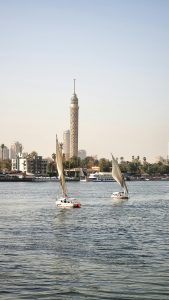
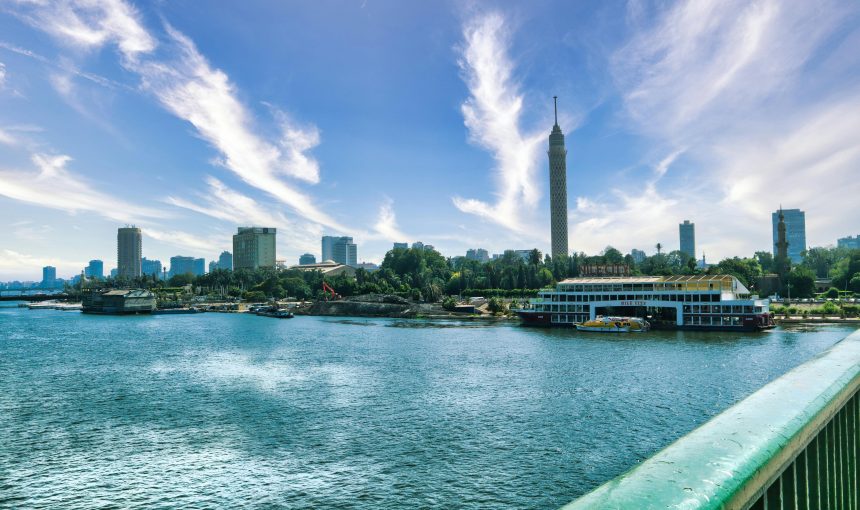
The Nile — more than just a river — is the heartbeat of Egypt and the silent witness to humanity’s oldest civilization. Stretching over 6,600 kilometers from the heart of Africa to the Mediterranean Sea, it has nurtured life, inspired myths, and shaped history for thousands of years. The story of Egypt is, in truth, the story of the Nile.
1. The River That Gave Birth to a Nation
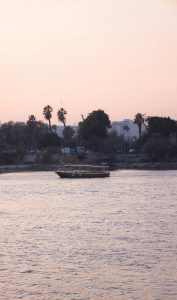
For the ancient Egyptians, the Nile was a divine gift — a source of life, fertility, and hope in the heart of the desert. Every year, its floodwaters renewed the soil, turning barren sands into fields of abundance. Along its banks, the first villages were built, leading to the rise of one of the world’s greatest civilizations. Without the Nile, there would be no Egypt, no pyramids, no history as we know it.
2. The Spiritual and Cultural Symbolism
The Nile was not just a river; it was a sacred being. The ancient Egyptians worshipped it as Hapi, the god of the annual flood, and believed its waters carried blessings from the gods. Temples, songs, and festivals were dedicated to it, celebrating its eternal cycle of life and renewal. To this day, the Nile remains a symbol of unity, connecting Egypt’s people, culture, and history from south to north.
3. The Journey Through Egypt
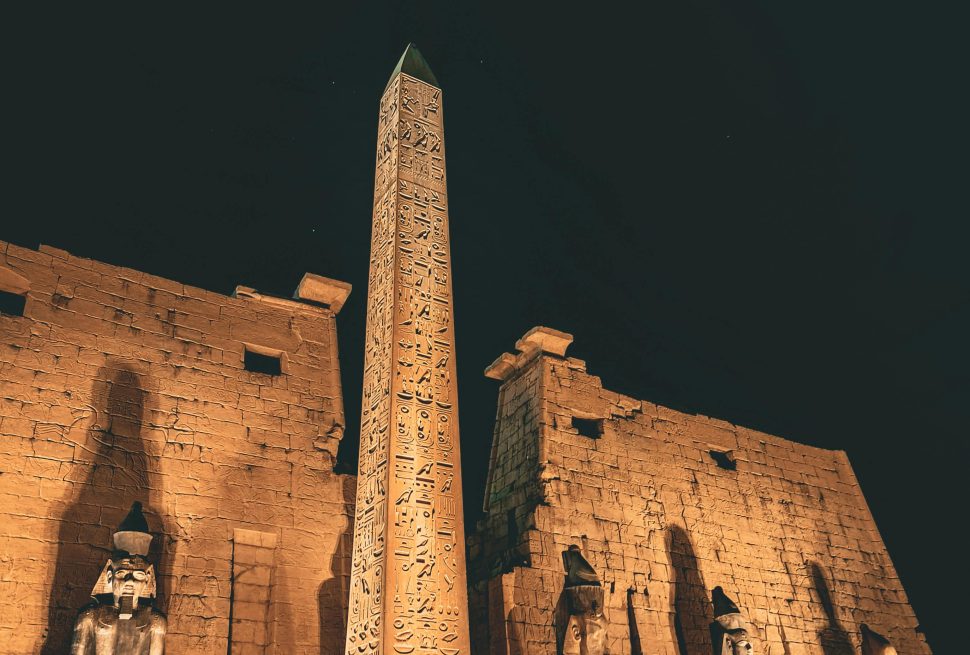
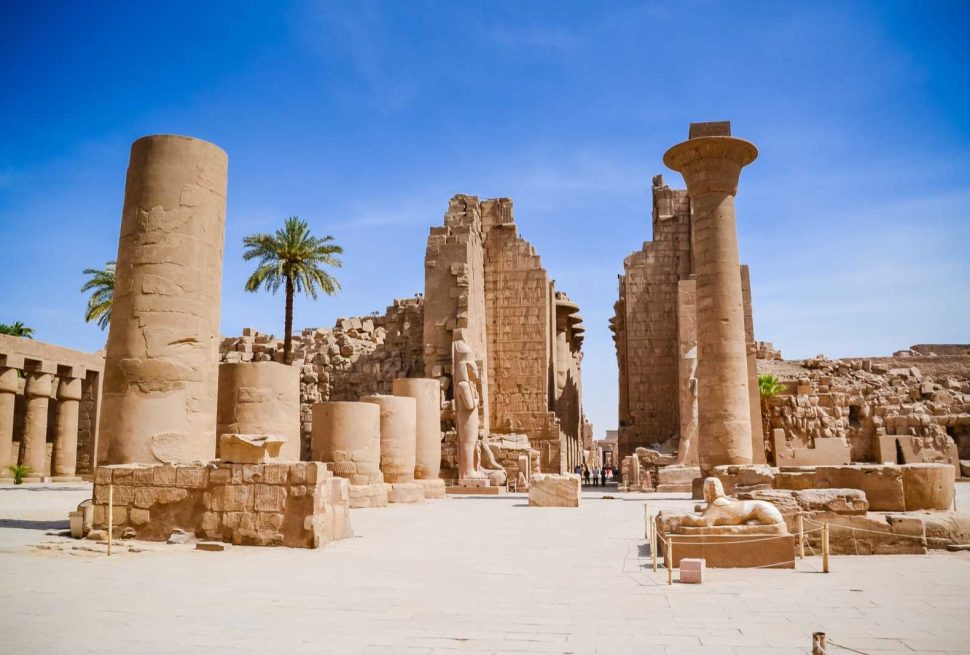
Flowing through the length of Egypt, the Nile divides the land into the East Bank and West Bank — a division that shaped Egyptian thought and architecture. The East represented life, sunrise, and beginnings; the West symbolized death, sunset, and eternity. Along its course stand the temples of Luxor and Karnak, the pyramids of Giza, and countless villages that still depend on its generosity.
4. The Nile in Modern Times
In modern Egypt, the Nile continues to sustain life for over 100 million people. Its waters feed the nation’s farms, power its cities, and support tourism, trade, and transportation. Projects like the Aswan High Dam have transformed its flow, controlling floods and generating electricity — yet the river’s importance remains as vital as ever. It is Egypt’s lifeline, linking ancient glory with modern survival.
5. A River of Memory and Meaning
To stand by the Nile is to feel time slow down. The gentle waves reflect the sun just as they did thousands of years ago, when Pharaohs sailed these waters in golden boats. Poets, travelers, and dreamers from every age have found inspiration in its calm strength. The Nile is not only water — it is a living archive of humanity’s endurance and Egypt’s eternal soul.
Conclusion
The Nile River continues to define Egypt — past, present, and future. It carries the whispers of history and the promise of tomorrow, flowing endlessly like the heartbeat of a nation that will never fade. As long as the Nile flows, Egypt will live — proud, eternal, and full of life.